
4 Myths About Septic Tank Pumping That Could Cost You Thousands
Owning a suburban or rural property comes with a unique set of responsibilities that standard urban homeowners rarely have to consider. Chief among these essential duties is managing an independent wastewater disposal framework, a complex system that is frequently buried completely out of sight. According to BobVila.com, roughly 20% of American households rely on individual septic systems to safely process and remove residential wastewater. Despite how widespread these systems are across the country, a surprising amount of misinformation persists regarding their proper maintenance and structural longevity. Property owners often remain completely unaware of how their daily habits impact the underground infrastructure until a major crisis manifests.
Many property owners operate under false assumptions that can lead to severe environmental hazards and incredibly steep repair bills. Understanding the true realities of septic tank pumping is essential to avoid structural degradation and preserve your hard-earned financial resources over the long term. Failing to establish a routine maintenance schedule remains one of the most expensive errors a property owner can make. This passive approach completely ignores the natural accumulation of solid waste in the underground tank every single day. Neglecting this responsibility virtually guarantees that you will experience premature system failure and unexpected financial liabilities.
1. Ignoring Minor Indicators of System Stress
A very common and highly dangerous myth is the idea that an underground waste system will always give clear, dramatic warning signs long before it experiences a total failure. Homeowners often assume that unless raw sewage is actively backing up into their bathtubs, their underground drainage infrastructure is performing perfectly. In reality, the earliest indicators of a developing subterranean crisis are exceptionally subtle and easily dismissed during daily household routines. Postponing professional diagnostics and essential septic tank pumping during these initial stages allows small, easily correctable imbalances to mature into full-blown structural emergencies. Property owners who wait for an absolute emergency before taking action often end up paying premium rates for rushed plumbing restorations.
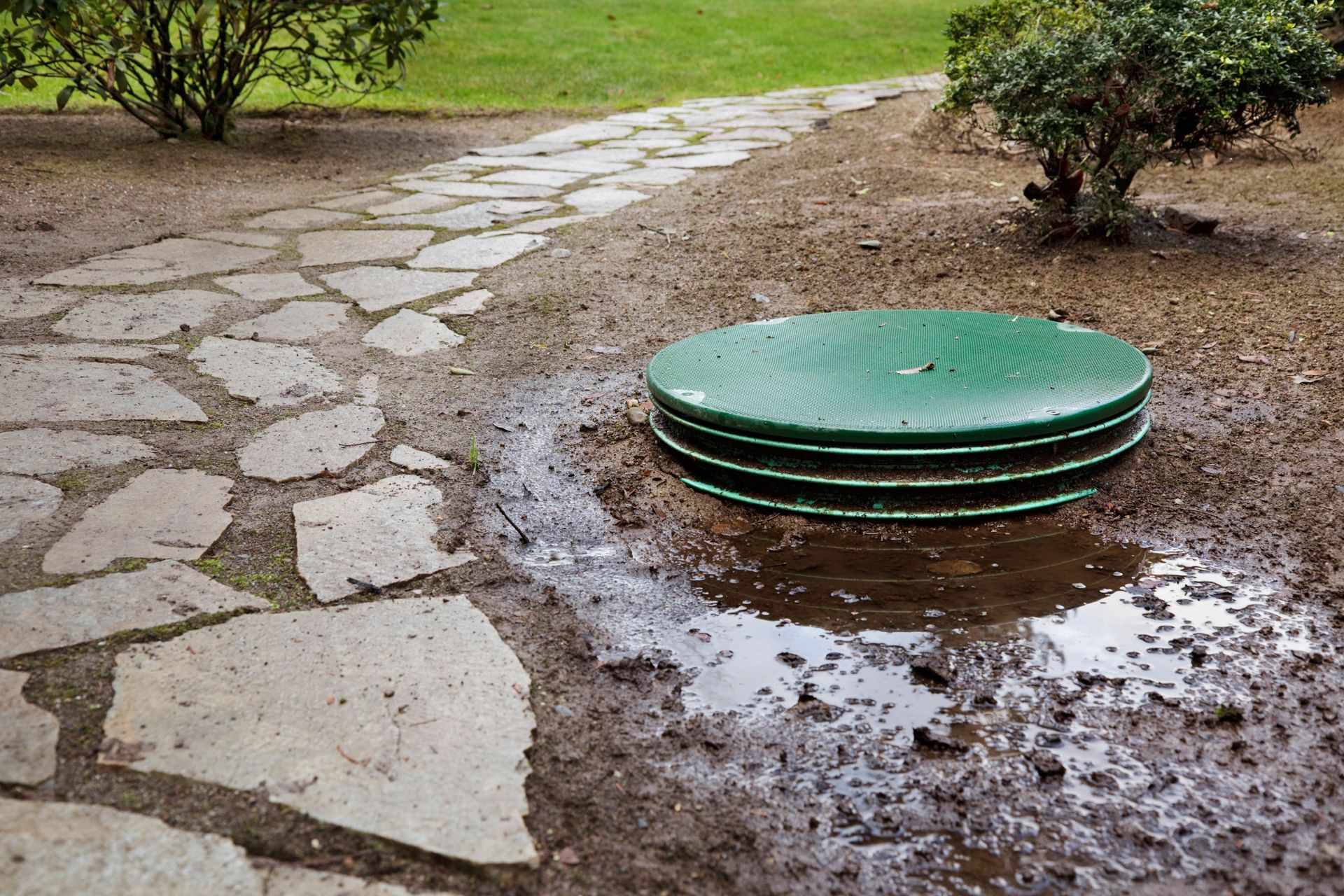
You might notice a faint, intermittent foul odor wafting near the drainfield after a heavy rainstorm or observe that the kitchen sink takes a few extra seconds to empty. Gurgling noises emanating from your pipes when a washing machine drains are another classic indicator that the internal capacity of your tank is dangerously full. When these subtle signs are disregarded, the financial consequences accumulate just as rapidly as the solid waste beneath your lawn. Slow drains are not merely a minor daily inconvenience; they often signal that the entire drainage framework is choking on packed sludge. Ignoring these red flags ensures that a simple maintenance visit will quickly escalate into an expensive structural overhaul.
2. Believing Chemical Additives Eliminate Maintenance Needs
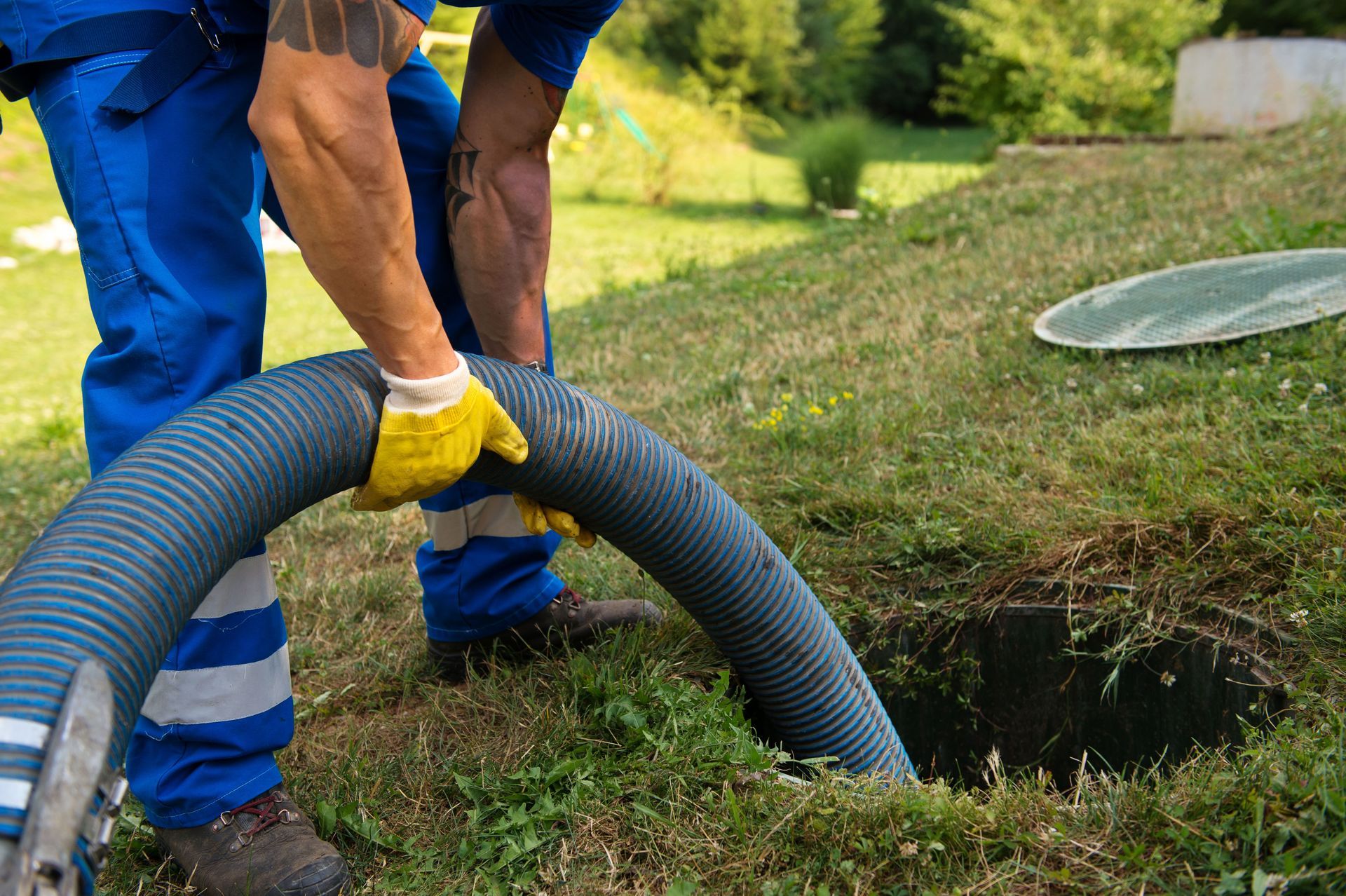
The modern consumer marketplace is flooded with specialized biological enzymes and chemical additives that promise to dissolve solid waste instantly. Striking advertisements frequently convince property owners that pouring a monthly liquid solution down their toilet can completely eliminate the necessity of physical maintenance. Unfortunately, relying on these commercial products is a strategy that often backfires spectacularly, resulting in severe structural damage to the absorption area. Regular septic tank pumping remains completely irreplaceable because mechanical extraction is the only true way to empty a full concrete or plastic chamber. No biological formula can magically vaporize dense inorganic matter or heavy soil particles that settle at the bottom of the container.
Furthermore, introducing excessive quantities of unverified chemical treatments can severely disrupt the delicate ecological balance thriving inside your wastewater system. A healthy subterranean tank relies on a highly specific population of naturally occurring anaerobic bacteria to break down organic solids. This accelerated buildup necessitates even more frequent septic tank pumping to prevent the system from overflowing into the surrounding environment. Investing hard-earned money into miracle chemical cures not only drains your wallet directly but also hastens the arrival of a major plumbing emergency. Relying on chemical shortcuts instead of proven physical cleanouts is an incredibly risky gamble that rarely ends well for the homeowner.
3. Assuming Flushable Wipes Disrupt Nothing Underground
The widespread commercial availability of pre-moistened cleaning wipes has introduced a major operational hazard to modern residential waste systems. Manufacturers frequently label these products as completely flushable, leading consumers to believe they disintegrate just as rapidly as standard toilet paper. This marketing claim is incredibly misleading because synthetic wipes are woven with durable plastic fibers designed to withstand significant moisture without tearing. Resolving an obstruction of this magnitude requires an emergency service call, which always commands a significant financial premium compared to a standard, pre-planned septic tank pumping appointment. These non-biodegradable sheets accumulate rapidly within the main chamber, forming dense obstructions that stop the natural flow of household wastewater.
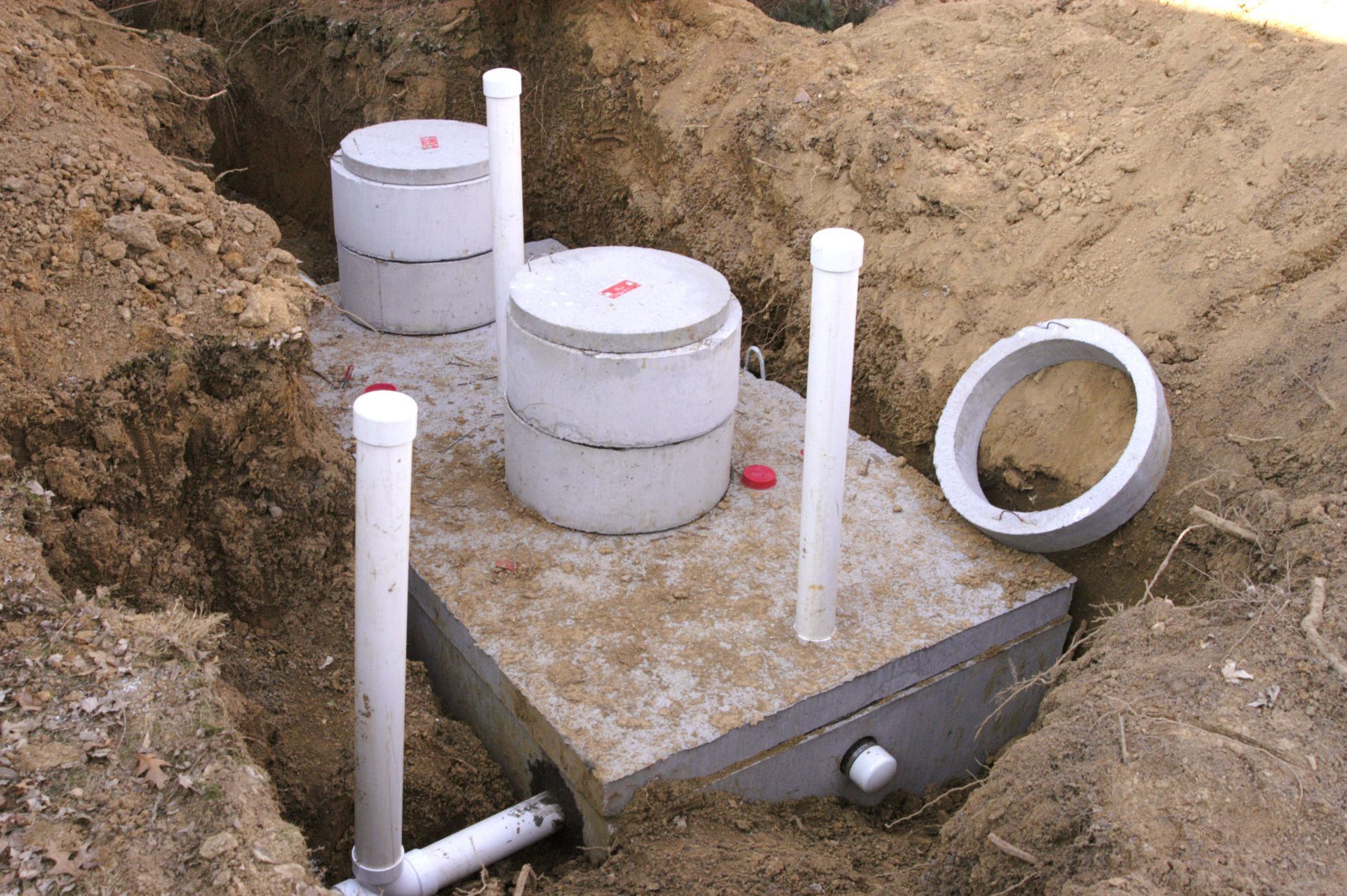
Beyond the immediate threat of a localized pipe blockage, these indestructible wipes pose a severe threat to the long-term health of your subterranean drainfield. If a wipe manages to bypass the internal baffles, it flows directly into the perforated distribution pipes buried across your yard. Once inside these narrow channels, the synthetic fabric blocks the small exit holes, preventing liquid effluent from filtering safely into the soil substrate. Repairing a ruined drainfield is notoriously difficult and represents one of the single most expensive residential property repairs imaginable. Homeowners who treat their toilets like trash cans will inevitably face massive bills when their entire absorption field suffers a total collapse.
4. Relying on Total Failure to Gauge Maintenance Schedules
One of the most pervasive and financially devastating mentalities among property owners is the belief that maintenance should only occur in response to a crisis. People frequently argue that because their system has functioned without an issue for a decade, it requires no professional attention whatsoever. When you neglect regular septic tank pumping, you are essentially gambling with the operational lifespan of your entire property infrastructure. The nominal fee charged for a scheduled preventative pumping appointment is a tiny fraction of the cost associated with emergency excavation and soil remediation. Proactive management allows you to extend the operational life of your equipment while avoiding the high anxiety of sudden system failure.
The financial disparity between proactive maintenance and reactive crisis management becomes starkly apparent when evaluating the long-term health of your absorption field. When a tank is left unpumped for too long, the exit filters become completely blinded by thick, greasy scum layers. Regular inspections allow licensed technicians to evaluate these unique household dynamics and establish a customized timeline for your next septic tank pumping session. Taking a proactive stance ensures that you control the timing and the cost of your home maintenance rather than letting a plumbing disaster dictate your financial reality. A well-maintained disposal system is an asset to your property, while a neglected one is a constant ticking financial time bomb.
Navigating the hidden complexities of residential wastewater management requires discarding hazardous myths and embracing verified preventative strategies. Operating under the assumption that out of sight means out of mind is a guaranteed recipe for premature structural failure and financial distress. Mechanical septic tank pumping remains the absolute cornerstone of responsible property ownership, serving as the only verified method to safeguard your home's subterranean infrastructure. By understanding the true limits of chemical additives, flushable products, and system warning signs, you can easily protect your household budget from catastrophic repair expenses. Investing in routine preventative care today ensures that your property remains safe, functional, and financially secure for many years to come.
We at Davis Septic Services are fully dedicated to helping you maintain a safe, efficient, and long-lasting wastewater system for your property. Our team of experienced technicians possesses the advanced tools and industry expertise necessary to handle all your routine maintenance needs seamlessly. Contact us today to schedule your next service appointment and secure the long-term operational health of your home.
Share On: