
How a Septic Tank Company Assesses a Property's Installation Needs
Installing a septic system is not a one-size-fits-all process. Every property has its own unique conditions, from soil composition to layout constraints, which all play a role in determining the most effective system. A professional septic tank company approaches each project methodically, ensuring that every detail is evaluated before installation begins. This careful assessment helps prevent costly issues down the line and ensures the system performs reliably for years.
Homeowners often underestimate how much planning goes into a septic installation. According to HomeGuide, a properly installed and well-maintained septic system can remain functional for anywhere between 20 and 40 years. That longevity depends heavily on the accuracy of the initial assessment. By understanding what a septic company looks for during this process, property owners can make more informed decisions and avoid common pitfalls.
Conducting an Initial Property Evaluation and Site Analysis
Understanding Soil Composition and Drainage Capacity
One of the first steps a septic tank company takes is analyzing the soil. Soil composition directly affects how wastewater is absorbed and filtered. Sandy soils tend to drain quickly, while clay-heavy soils retain water, which can lead to system failure if not properly addressed.
Professionals conduct percolation tests to measure how quickly water moves through the soil. This test provides critical data that determines whether a conventional system is viable or if an alternative design is necessary. Without proper drainage, wastewater can accumulate on the surface or contaminate nearby groundwater.
In addition to drainage speed, the soil's structure and layering are evaluated. Some properties have multiple soil layers, each with different permeability levels. A septic company must account for these variations to ensure the system functions as intended under different weather conditions.
Evaluating Property Size and Layout Constraints
The size and layout of a property play a significant role in septic system planning. A septic tank company examines available space to determine where the tank and drain field can be installed while meeting local setback requirements.
Setback regulations dictate how far a septic system must be from structures such as homes, wells, property lines, and bodies of water. These rules are designed to protect both the homeowner and the surrounding environment. Limited space can restrict system options, sometimes requiring more specialized designs.
Topography is another important consideration. Sloped properties may require additional engineering to manage wastewater flow effectively. A septic company will assess elevation changes and identify the best placement to ensure gravity supports the system rather than complicates it.
Identifying Environmental and Regulatory Factors
Environmental considerations go beyond soil and layout. A septic tank company also evaluates proximity to wetlands, flood zones, and other sensitive areas. These factors can influence both system design and permitting requirements.
Local regulations vary by county and state, and compliance is non-negotiable. A septic company must ensure that every aspect of the installation meets these standards. This includes adhering to guidelines for tank size, drain field design, and overall system placement.
In some cases, additional inspections or studies may be required before moving forward. By addressing these requirements early, a septic service helps prevent delays during the permitting phase.
Choosing the Right Septic System for the Property
Selecting the Appropriate System Type
Once the site evaluation is complete, the next step is choosing the right type of system. A septic tank service considers all gathered data to determine whether a conventional system will suffice or if an alternative is needed.
Conventional systems are typically used when soil conditions and space allow for proper drainage. However, properties with poor soil absorption or limited space may require systems such as low-pressure dosing or aerobic designs. Each option has its own installation requirements and maintenance considerations.
The goal is to match the system type to the property's specific needs. A septic company ensures that the chosen system not only meets regulatory standards but also provides long-term reliability for the homeowner.
Preparing Documentation and Permit Applications
Before installation can begin, the project must be approved by the appropriate authorities. A septic tank company prepares all necessary documentation, including site evaluation results and system design plans.
These documents are submitted to the local permitting authority for review. The approval process ensures that the proposed system meets all regulatory requirements. Once approved, a permit-to-construct is issued, allowing the project to move forward.
Handling permits can be complex, but a septic company manages this process on behalf of the homeowner. This helps streamline the timeline and ensures that all legal requirements are met before work begins.
Initiating the Installation Process and Final Inspection
Excavation and System Placement
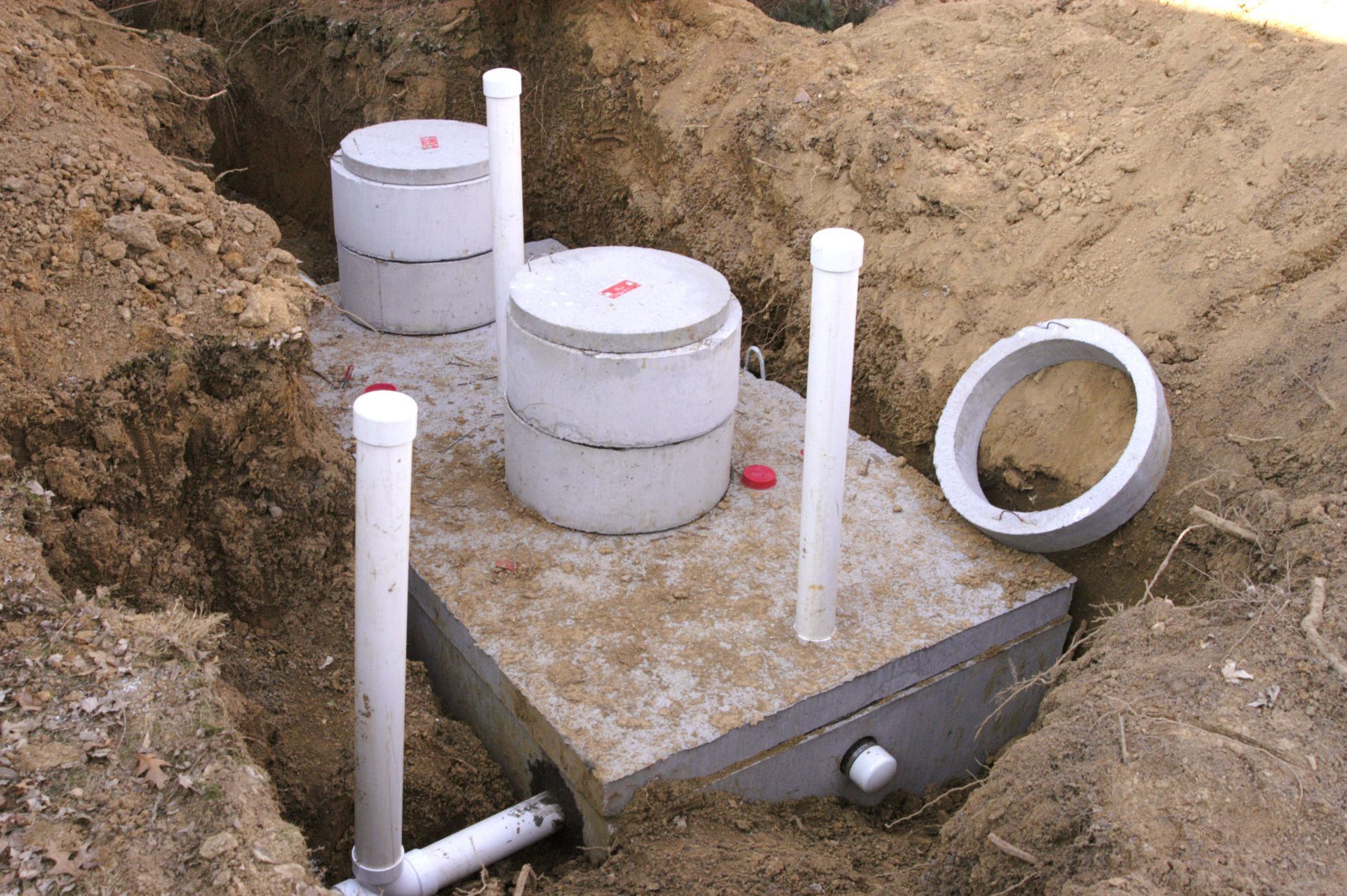
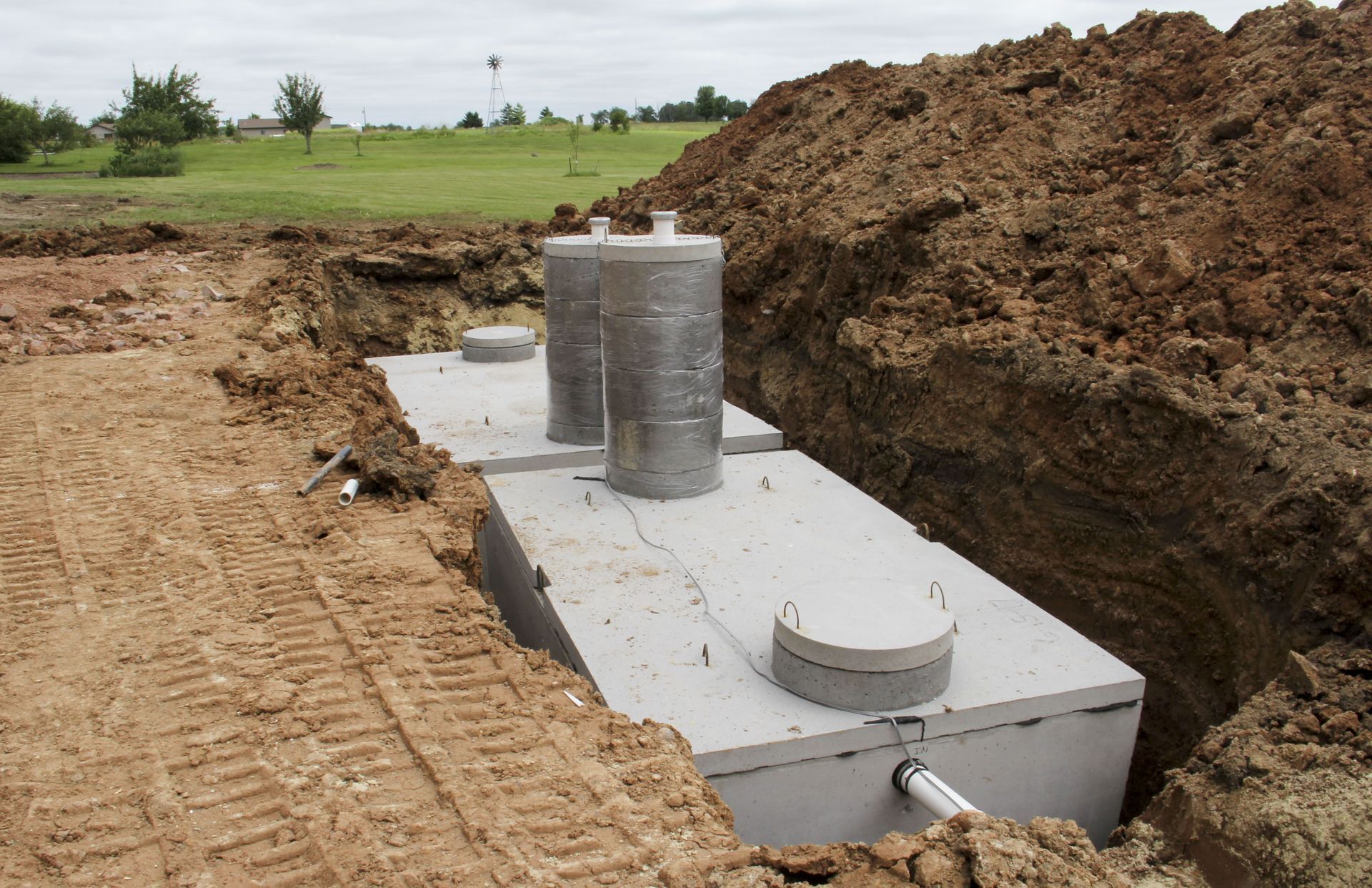
With permits in place, the installation phase begins. A septic tank service starts by excavating the designated areas for the tank and drain field. This step requires precision to ensure that all components are installed according to the approved design.
The tank is carefully positioned, and the necessary piping is connected to facilitate proper wastewater flow. Materials are selected based on durability and compatibility with the system design. Proper installation at this stage is critical to the system's overall performance.
Attention to detail is essential during excavation and placement. Even minor errors can lead to significant issues later. A septic company follows strict guidelines to ensure that every component is installed correctly.
Coordinating Inspections and Compliance Checks
During installation, inspections are conducted to verify that the work meets regulatory standards. A septic tank company coordinates these inspections with the appropriate authorities, ensuring that each phase of the project is approved before moving forward.
Inspectors typically evaluate the system while it is still uncovered. This allows them to verify proper placement, connections, and adherence to the approved design. Any necessary adjustments can be made before the system is finalized.
Passing these inspections is a critical step in the process. A septic company works closely with inspectors to address any concerns and ensure compliance with all requirements.
Final Approval and System Activation
Once installation is complete and all inspections have been passed, the final step is obtaining approval to operate the system. A septic tank company ensures that all documentation is in order and submits any required paperwork to the permitting authority.
After receiving approval, the system is ready for use. The homeowner is typically provided with guidance on proper operation and maintenance to ensure long-term performance. This includes information on routine inspections, pumping schedules, and best practices for minimizing strain on the system.
A thorough installation process sets the foundation for a reliable septic system. By following each step carefully, a septic company helps ensure that the system functions efficiently from day one.
Assessing a property's septic installation needs is a detailed and highly technical process. From evaluating soil conditions to designing a compliant system and overseeing installation, a septic tank company plays a crucial role in ensuring long-term success. Each step is interconnected, and careful planning at the outset can prevent costly repairs or system failures later.
For homeowners, understanding this process provides valuable insight into what goes into a properly installed septic system. Working with an experienced septic company ensures that every aspect of the project is handled with precision, resulting in a system that meets both regulatory standards and the practical needs of the property. For a reliable septic tank service that can properly assess your property's installation needs, reach out to Davis Septic Services!


Share On: