How Regular Maintenance Keeps Your Septic Tank Working for Decades
Proper septic tank maintenance is critical in ensuring its longevity and functionality. Though often overlooked, routine care can prevent potential failures and expensive repairs. This article explores why regular maintenance is essential and how it can lead to a septic system that lasts for decades. From understanding how septic systems function to recognizing the impact of improper waste disposal, each aspect of maintenance plays a vital role. By taking proactive measures, homeowners can save money and protect the environment, influencing the livability and safety of their properties for years to come.
Understanding Your Septic System
Components of a Septic System
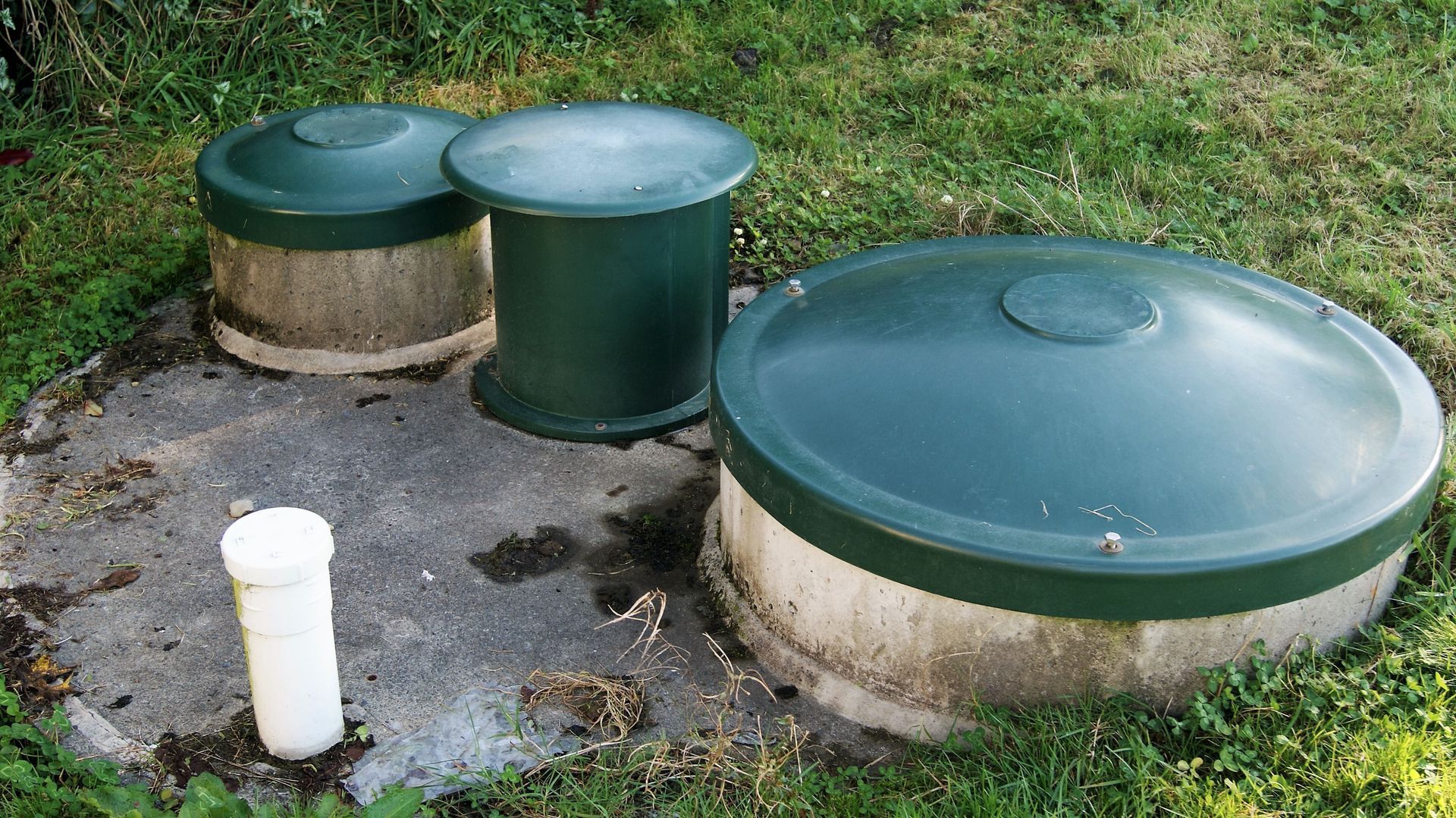
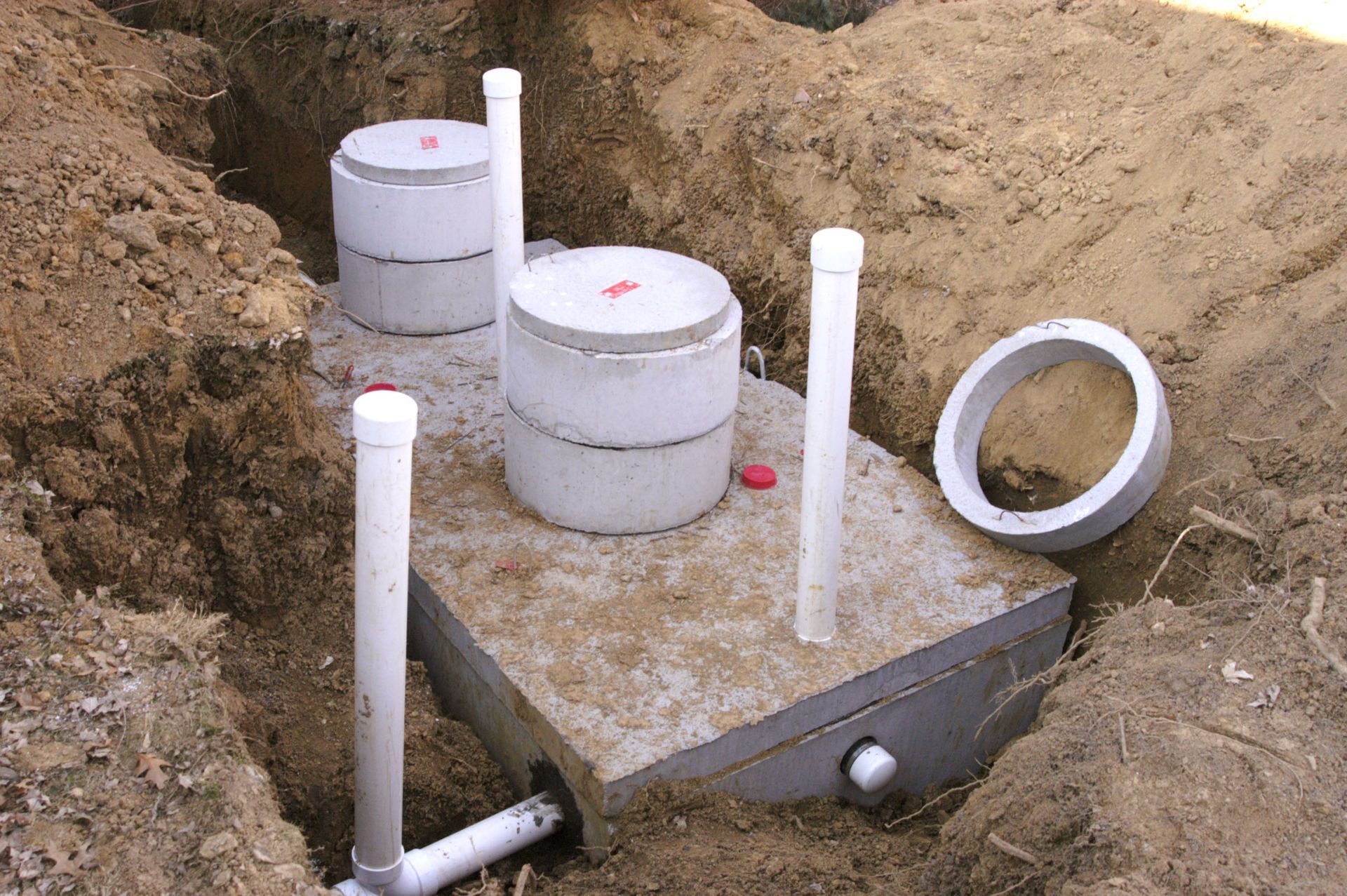
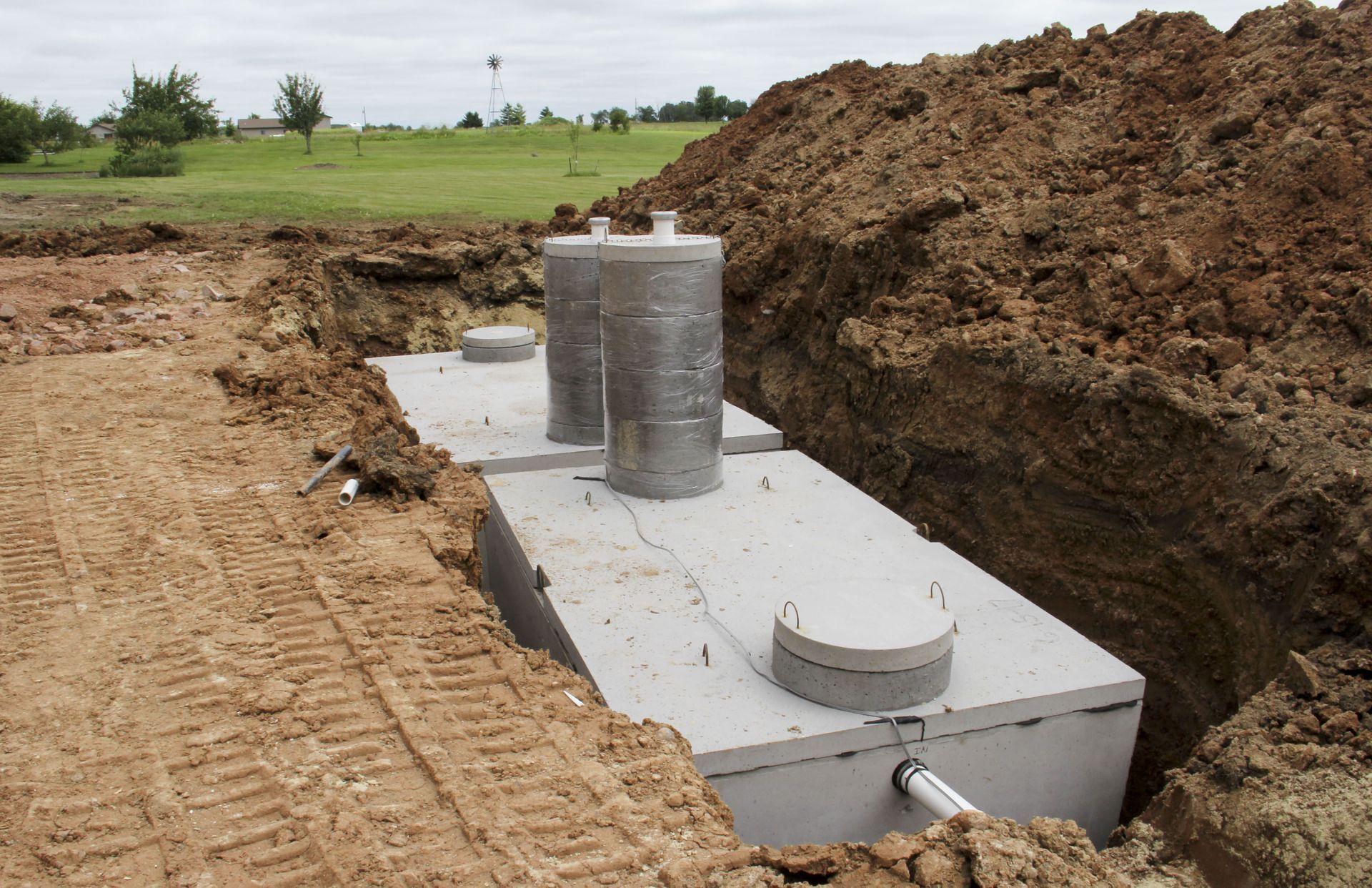
A typical septic system made for single-family homes usually includes a septic tank, drain field, and a network of pipes. The tank itself, which comes in sizes of 1,000- or 1,250-gallons according to This Old House, holds wastewater, with its size often determined by the number of bedrooms and local regulations. Wastewater from household drains flows into this tank, where heavy materials settle as sludge at the bottom, and oils float as scum on top. Noticeably, the drain field, or leach field, acts by treating wastewater further by filtering it through the soil. An outlet pipe assists in directing effluent from the tank to the drain field for purification, ensuring environmental safety.
How Septic Systems Work
Septic systems operate by cleverly imitating natural processes. Initially, waste water enters the septic tank, triggering a separation process where solids sink, and scum rises. Here, bacteria decompose solid waste, transforming it into sludge which must be periodically removed. The system's subsequent step, handled mostly by the drain field, involves liquid waste filtering into the ground for natural treatment and decomposition. This process must work correctly to prevent pollutants from leaching into groundwater, maintaining both the health of the soil and surrounding ecosystems.
Common Problems in Septic Systems
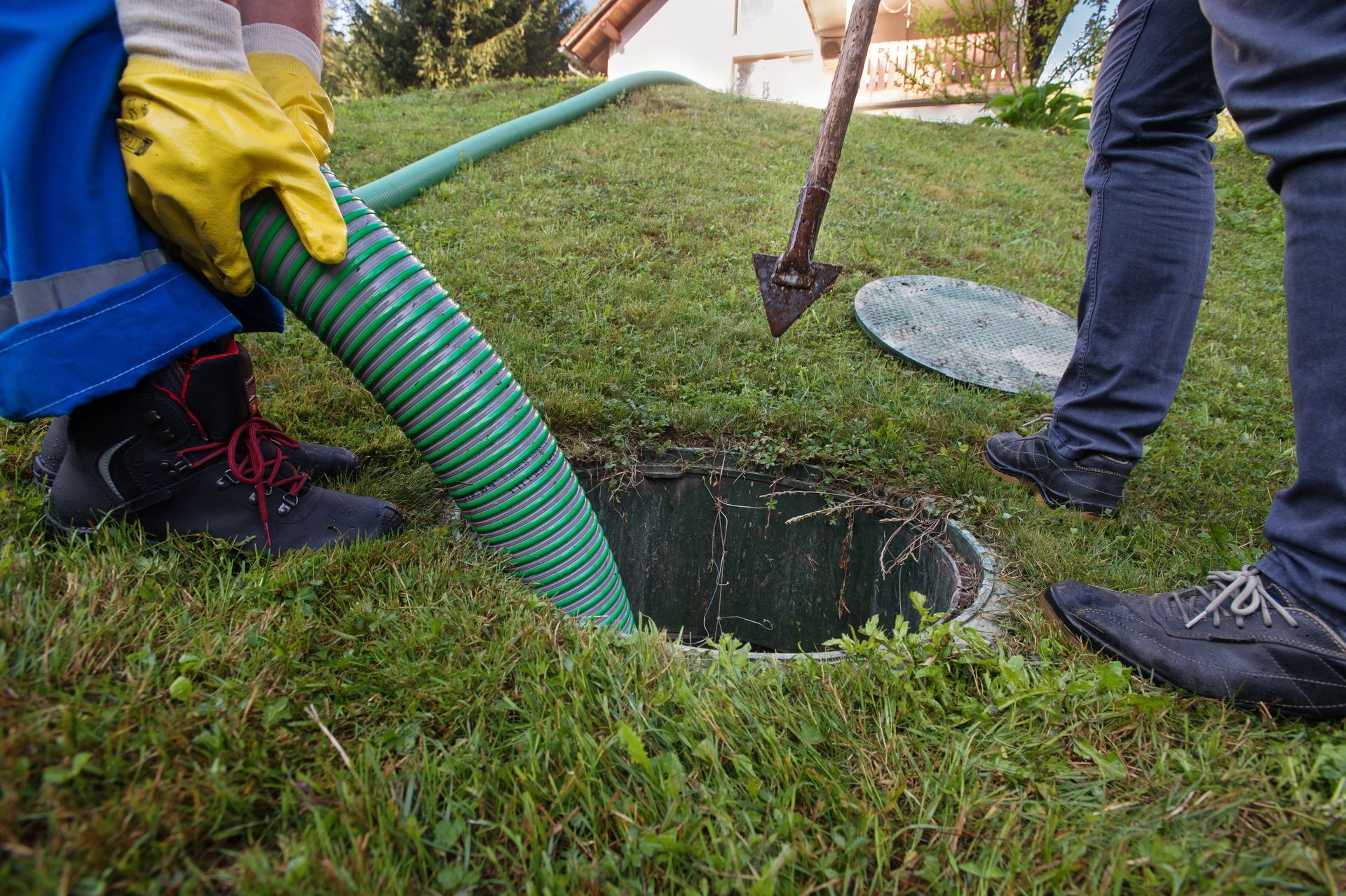
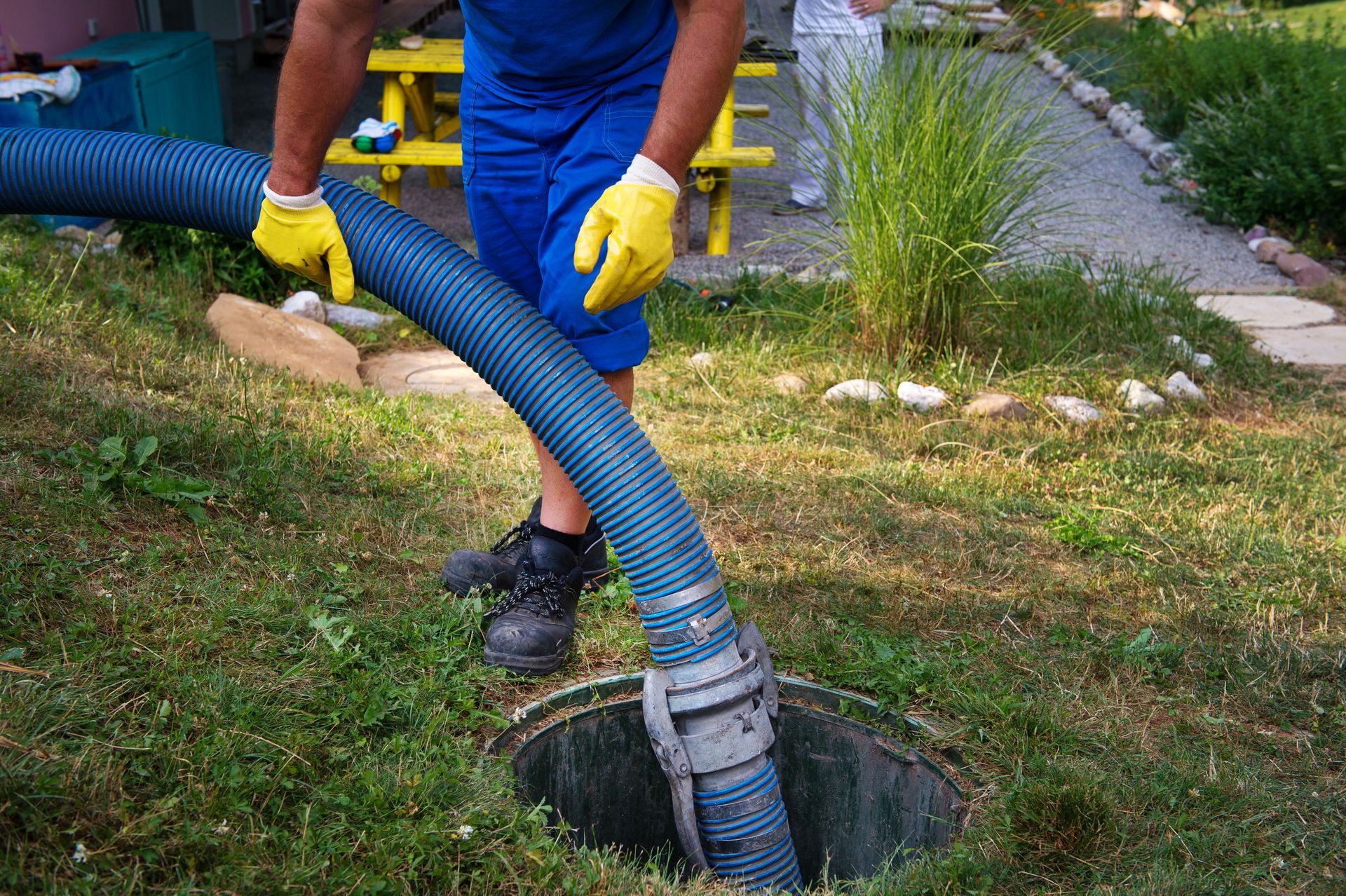
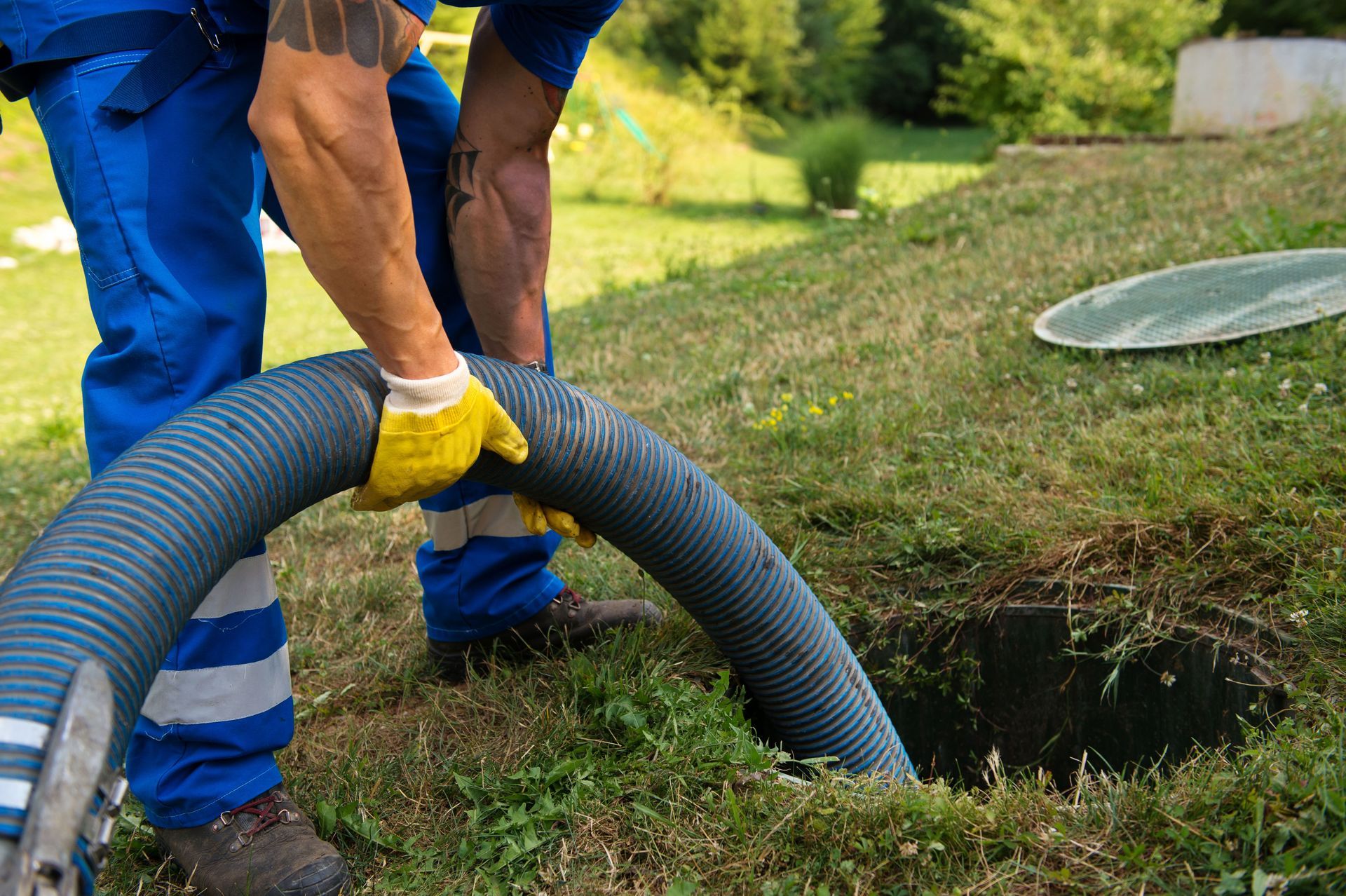
Typically, problems arise due to overloading the septic tank or improper waste disposal. Failing to schedule regular pumping sessions exacerbates this by accumulating too much sludge and scum, blocking pipes and slowing the system. This accumulation might cause blockages or backups in household plumbing, negatively affecting day-to-day functioning. Moreover, flushing non-biodegradable items into the septic system can result in untimely clogs. These issues not only require costly repairs but can also lead to environmental hazards if not addressed promptly.
Signs of a Failing Septic System
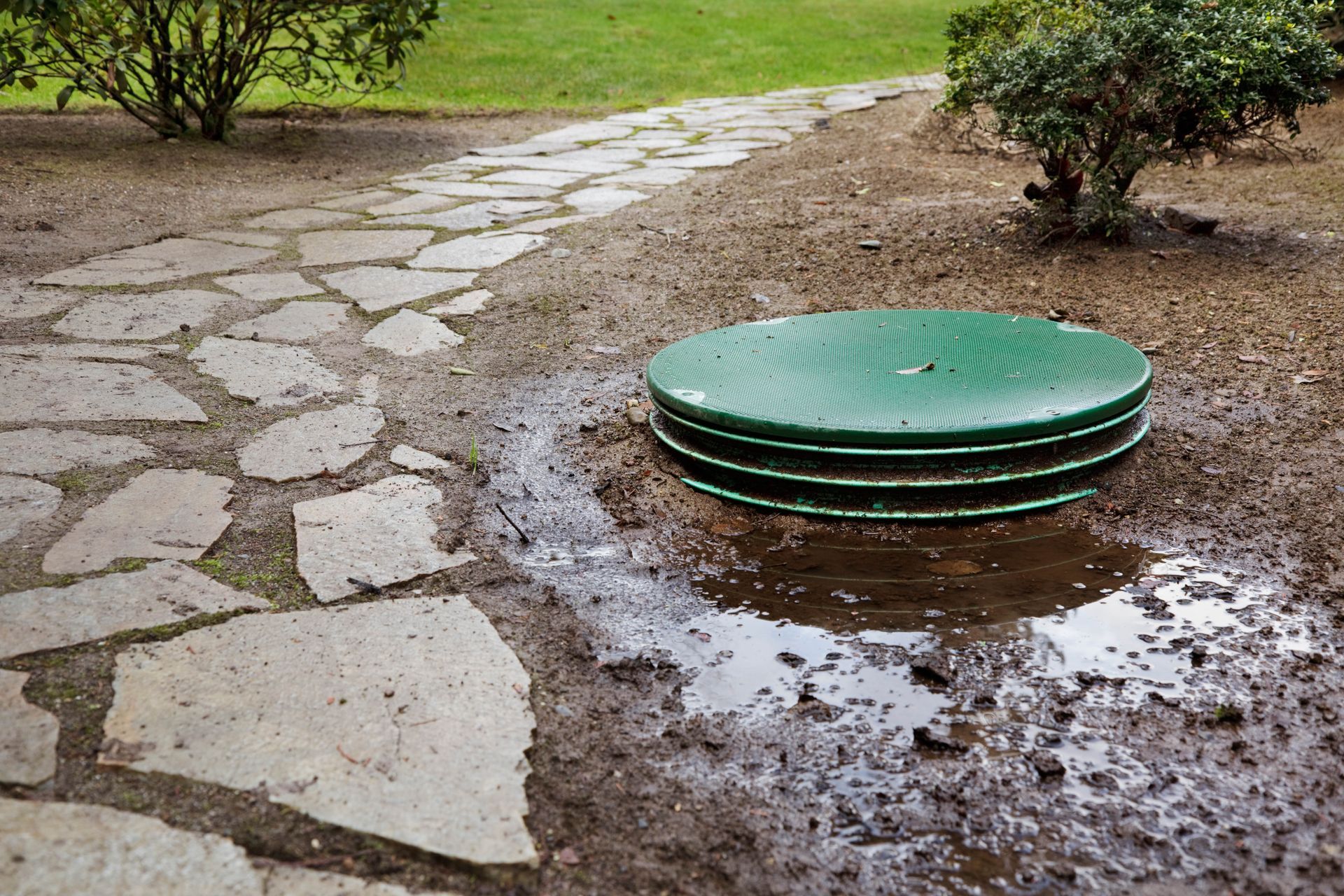
Recognizing signs of a failing septic system is critical for timely intervention. The most noticeable indicators include slow drains or persistent gurgling sounds in the plumbing. Additionally, the odor is a strong indication; unpleasant smells around the tank or drain field signal potential issues. Lush, green grass over the drain field, despite dry spells, can suggest excessive water absorption, pointing to system failure. If these signs are present, contacting a professional for an inspection ensures the problem is addressed before further damage occurs.
Monitoring and Inspections
Why Inspections are Necessary
Regular inspections of septic systems provide early detection of issues, preventing costly repairs and enhancing longevity. Comprehensive inspections assess overall system functionality, targeting potential problem areas before they escalate. By regularly inspecting drain fields, tanks, and plumbing connections, homeowners ensure efficient wastewater treatment. These evaluations are critical, particularly for identifying signs of wear and degradation. Early detection facilitated by inspections plays an essential role in maintaining system efficiency and prolonging its lifespan.
What to Look for During an Inspection
Performing a thorough inspection involves checking tank levels, pipe connections, and the overall condition of the drain field. Noticing variations in tank levels helps detect leaks or blockages within the system. Inspectors should also assess the structural integrity of the tank and piping to prevent potential collapse or failure. Observing plant growth patterns provides insights into underlying moisture or contamination problems. By focusing on these critical areas, inspectors enable proactive maintenance and timely repairs, protecting the entire septic ecosystem.
Maintaining a Record of Inspections
Keeping detailed records of all septic system inspections and maintenance is essential for informed management. These records offer insights into patterns of system performance and potential problems over time. Documentation also aids in identifying servicing trends, such as expected pumping frequencies or recurring repair needs. Having comprehensive records readily available facilitates communication with service providers and supports property evaluations or sales. Meticulous record-keeping enhances decision-making and strengthens system longevity through continuous, well-informed care.
Maintaining Proper Waste Disposal Practices
Understanding What Not to Flush
Educating household members on what should not be flushed is crucial for maintaining septic system health. Non-degradable materials impair bacterial processes, leading to increased sludge and scum buildup. Encouraging responsible waste disposal practices reduces maintenance needs and supports overall system effectiveness. Additionally, properly disposing of these items via trash receptacles prevents plumbing emergencies and environmental degradation.
Safe Chemicals for Septic Systems
Choosing safe chemicals for home use helps protect septic systems by minimizing harmful disruptions. Conventional cleaning products often contain harsh substances that can disturb septic tank ecology, hindering waste breakdown. Opting for biodegradable, septic-safe alternatives ensures healthier bacterial activity within the tank. Furthermore, limiting the use of bleach and antibacterial solutions reduces negative impacts on system functionality. By prioritizing safe chemicals, homeowners contribute to overall septic system health and performance longevity.
Impact of Household Cleaners on Septic Health
Household cleaners can significantly impact septic system health, requiring thoughtful product selection and use. Many cleaners contain harsh chemicals that disrupt the bacterial balance needed for efficient waste decomposition. Over time, these substances can inhibit tank performance, leading to increased sludge and potential overflows. Using eco-friendly or septic-safe cleaners mitigates these effects, sustaining optimal bacterial activity. Careful management and selection of cleaning agents foster a more robust and effective septic system
Composting and Septic Systems
Composting practices complement traditional septic systems by promoting sustainability and waste reduction. Composting toilets, for example, turn human waste into usable mulch, alleviating pressure on septic systems. Integrating composting solutions into properties with septic systems enhances waste management while reducing environmental impact. In addition to reducing reliance on septic tanks, composting diversifies waste disposal methods.
Managing the Landscape Around the Septic Area
Avoiding Planting Near Septic Components
Careful landscape management around septic systems protects against root intrusion and mechanical damage. Tree and shrub roots can infiltrate piping and tank openings, causing blockages and structural damage. Providing sufficient space between plantings and septic components avoids these risks, ensuring long-term system health. Selecting native ground covers over trees supports protective strategies while enhancing property aesthetics. Incorporating intentional landscape planning around septic systems secures proper functioning and safeguards investments.
Optimal Plants for Septic Tank Areas
Choosing the right plants around septic areas contributes meaningfully to system integrity and operation. Shallow-rooted plants, grasses, and ornamental species provide decorative ground coverage while minimizing root disruption. Avoiding deep-rooted plants protects components, preserving tank and drain field efficiency. Employing these plants in septic-adjacent landscapes maintains ecological balance and enhances property sustainability.
Managing Soil Erosion and Compaction
Soil erosion and compaction pose risks to septic systems, necessitating informed landscape management practices. Heavy foot traffic or vehicle movement over septic areas can compact soil, damaging pipes and reducing drainage effectiveness. Employing mulch, native grasses, or decorative stone pathways mitigates erosion, enhancing surface stability. Prioritizing erosion control measures sustains drain field functions, conserving septic system efficiency despite environmental challenges. Attentive management of soil conditions ensures lasting system effectiveness through robust landscape practices.
Regular maintenance of septic systems is critical not only for extending their service life but also for protecting the environment and saving on costly repairs. Through a comprehensive approach involving inspections, mindful waste disposal, and landscape management, longevity and efficiency are easily achieved. Homeowners who embrace both traditional care routines and innovative advancements secure their septic systems for decades. Proactive management, paired with understanding system requirements and challenges, delivers superior experiences and outcomes. By maintaining engagement and facilitating continuous improvement, septic system care becomes an essential component of conscientious homeownership. If you're looking for professional assistance with your
septic tank maintenance, reach out to Davis Septic Services today!

Share On: